Cellar Spiders (Daddy Longlegs): Identification & Control Guide
By the Clark Pest Entomology Team | Last Updated: December 2, 2025
Key Takeaways
Cellar Spiders (commonly called "Daddy Longlegs Spiders") are harmless pests found in garages, eaves, and basements. Unlike the similar-looking "Harvestman," they possess two body segments, produce messy cobwebs, and vibrate when disturbed. Myth Buster: While they do have venom, it is too weak to harm humans. They are actually beneficial predators that eat other pests, including Black Widows.
Quick answer: If you see a wispy, long-legged spider hanging upside down in a messy web in your garage, it's likely a Cellar Spider (Pholcidae). They are nuisance pests known for creating extensive webbing but are medically harmless to humans and pets.
Is it a Spider or a Harvestman?
This is the most common confusion we see. The nickname "Daddy Longlegs" is often used for two completely different animals. Knowing the difference helps you decide if you need pest control.
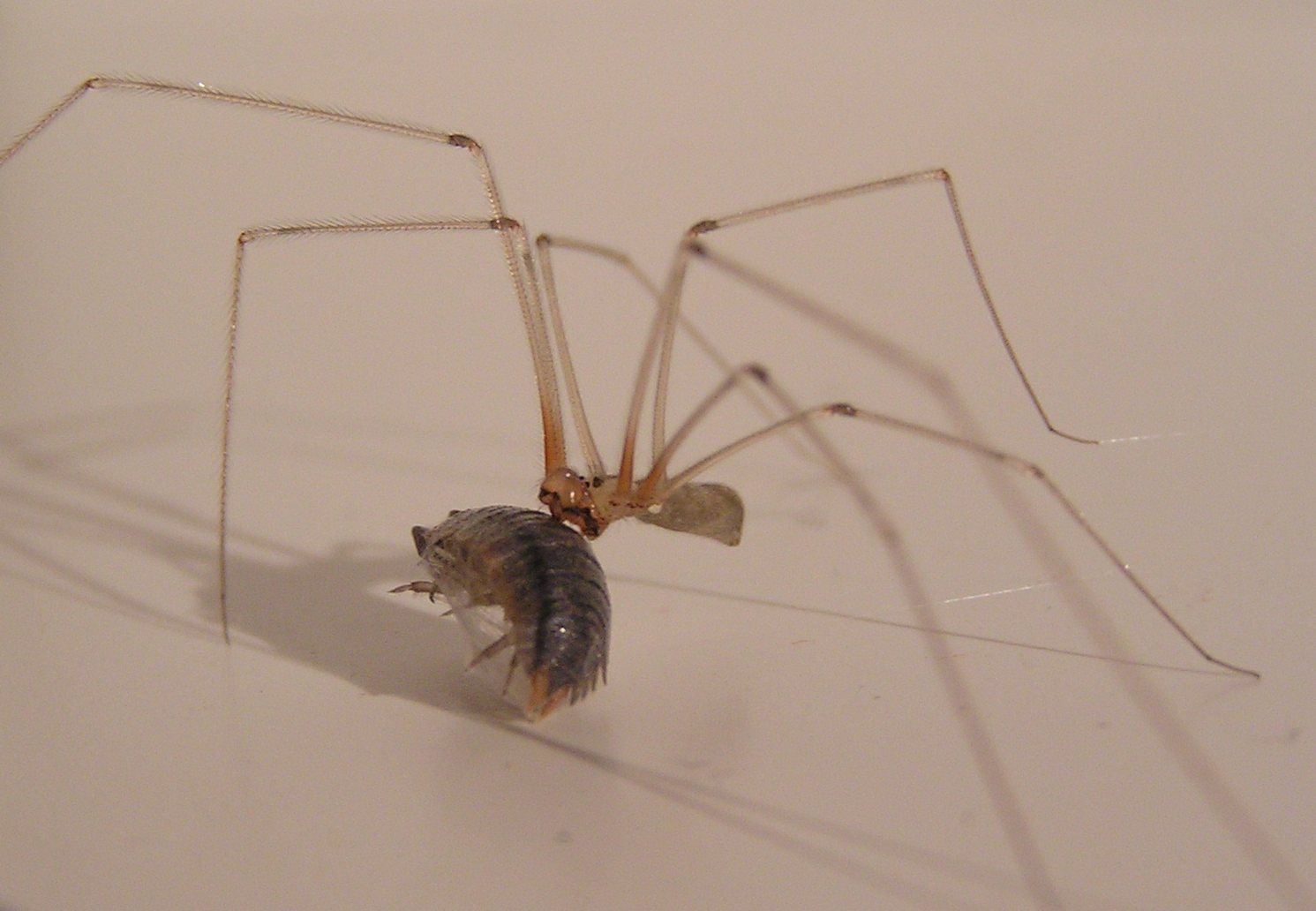
Cellar Spider (True Spider): Has TWO body segments (like a peanut) and spins messy webs.
Photo: Daniel Ullrich via Wikimedia Commons, CC BY-SA 3.0
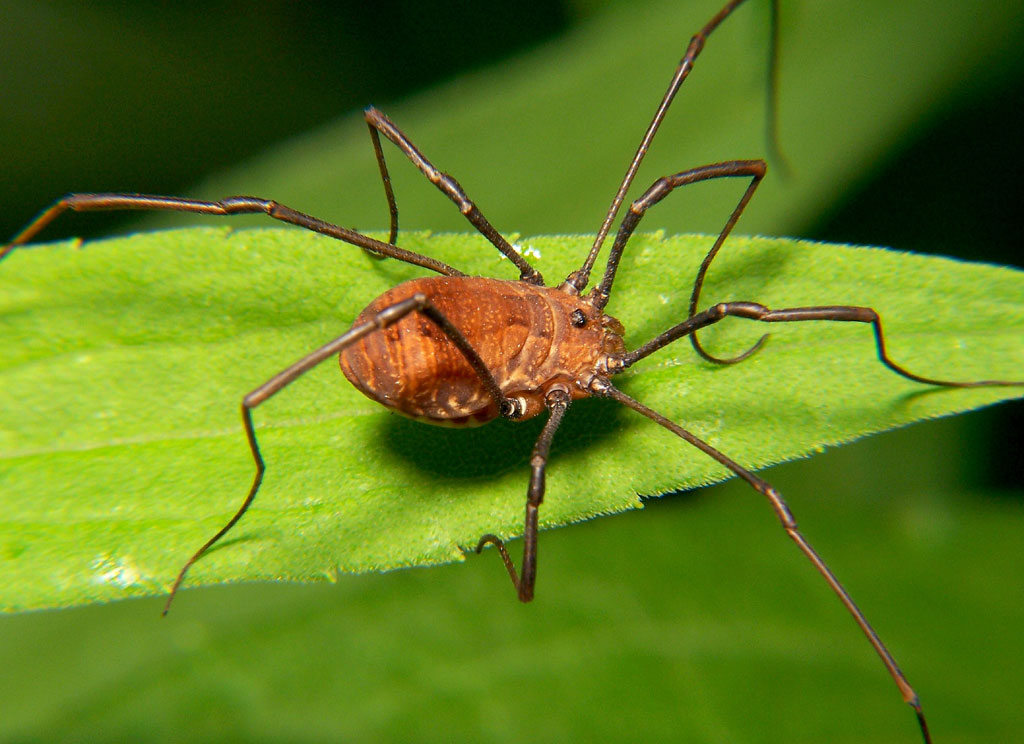
Harvestman (Not a Spider): Has ONE round body segment. No silk, no webs, no venom.
Photo: Bruce Marlin via Wikimedia Commons, CC BY-SA 2.5
The simple test: If it is sitting in a web, it is a Cellar Spider. If it is walking on the ground or a wall with no web in sight, it is likely a Harvestman.
Debunking the "Deadly Venom" Myth
You have probably heard the urban legend: "Daddy Longlegs have the most potent venom in the world, but their fangs are too small to bite humans."
This is false on both counts:
- They CAN bite: Cellar spiders have small fangs, but they can puncture human skin if pressed against it. However, they are docile and rarely attempt to bite.
- The venom is weak: Their venom is designed for small insects. It causes little to no reaction in humans—usually just a mild stinging sensation, far less than a bee sting.
Note: Harvestmen (the other "Daddy Longlegs") have no fangs and no venom at all.
Watch: Cellar Spiders in Your Home
Learn more about the biology of these "house guests" and why they might actually be helping you control other pests.
Video: Animal Fact Files
How to Get Rid of Cellar Spiders
While they eat other bugs (even mosquitoes and black widows!), most homeowners don't want their messy cobwebs covering the garage ceiling. Here is how to manage them:
1. Reduce Moisture (The #1 Magnet)
Cellar spiders need humidity to prevent dehydration. Use a dehumidifier in basements and ensure your crawl space is properly ventilated.
2. Sweep the Webs
Use a vacuum with a hose attachment or a long-handled broom to physically remove webs and spiders. This is the most immediate control method.
3. Change Your Lighting
These spiders hang out near porch lights to catch flying insects (moths, flies). Switch to yellow "bug lights" or sodium vapor lights outdoors to attract fewer prey insects.
4. Seal the Perimeter
Use caulk to seal cracks around windows and doors. Install tight-fitting door sweeps on garage doors to stop them from wandering in.
Clark's Expert Insight
"If you touch a Cellar Spider web, you might see the spider start to vibrate or 'dance' wildly. This isn't a seizure—it's a defense tactic! By vibrating rapidly, they become a blur, making it incredibly hard for predators (and humans with brooms) to grab them."
Frequently Asked Questions (FAQs)
Are cellar spiders poisonous?
▶
No, they are not dangerous. While they do possess venom to subdue prey, it is very weak against mammals. The myth that they are the "most poisonous spider" is completely false.
Why do they vibrate when I touch the web?
▶
This is a defensive behavior called "gyration." By shaking violently, the spider becomes a blur, making it difficult for predators (like birds or wasps) to pinpoint and attack them.
Do cellar spiders eat other spiders?
▶
Yes! They are excellent hunters of other spiders. They will invade the webs of Black Widows or House Spiders, wrap them up in silk from a safe distance, and eat them.
Serving California and Northern Nevada
Our entomology team understands the local arachnid populations. From the humid coast to the dry valley, we know where spiders hide.
Need Professional Help?
If messy webs are taking over your garage or eaves, Clark Pest Control can remove them and treat the perimeter to prevent their return.
Get a Free Home Inspection