Firebrats: Identification, Heat Habits & Control Guide
By the Clark Pest Entomology Team | Last Updated: December 2, 2025
Key Takeaways
Firebrats are heat-loving cousins of Silverfish. Unlike their damp-loving relatives, Firebrats thrive in temperatures over 90°F, making them common pests in boiler rooms, attics, and bakeries. They have a mottled "salt and pepper" appearance and feed on starch, paper, and glue.
Quick answer: If you see a carrot-shaped insect near your furnace, hot water heater, or oven, it is likely a Firebrat (Thermobia domestica). While they look like Silverfish, they prefer extreme heat and can live for years, slowly damaging books, wallpaper, and clothing.
Firebrat vs. Silverfish: Spot the Difference
These two pests are closely related "bristletails," but you can tell them apart by their color and where you find them.
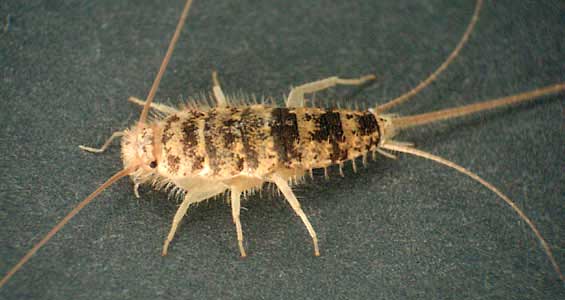
Firebrat: Mottled gray/brown ("salt and pepper"). Found in HOT places (90°F+).
Photo: David R. Madison via Wikimedia Commons, CC BY 3.0
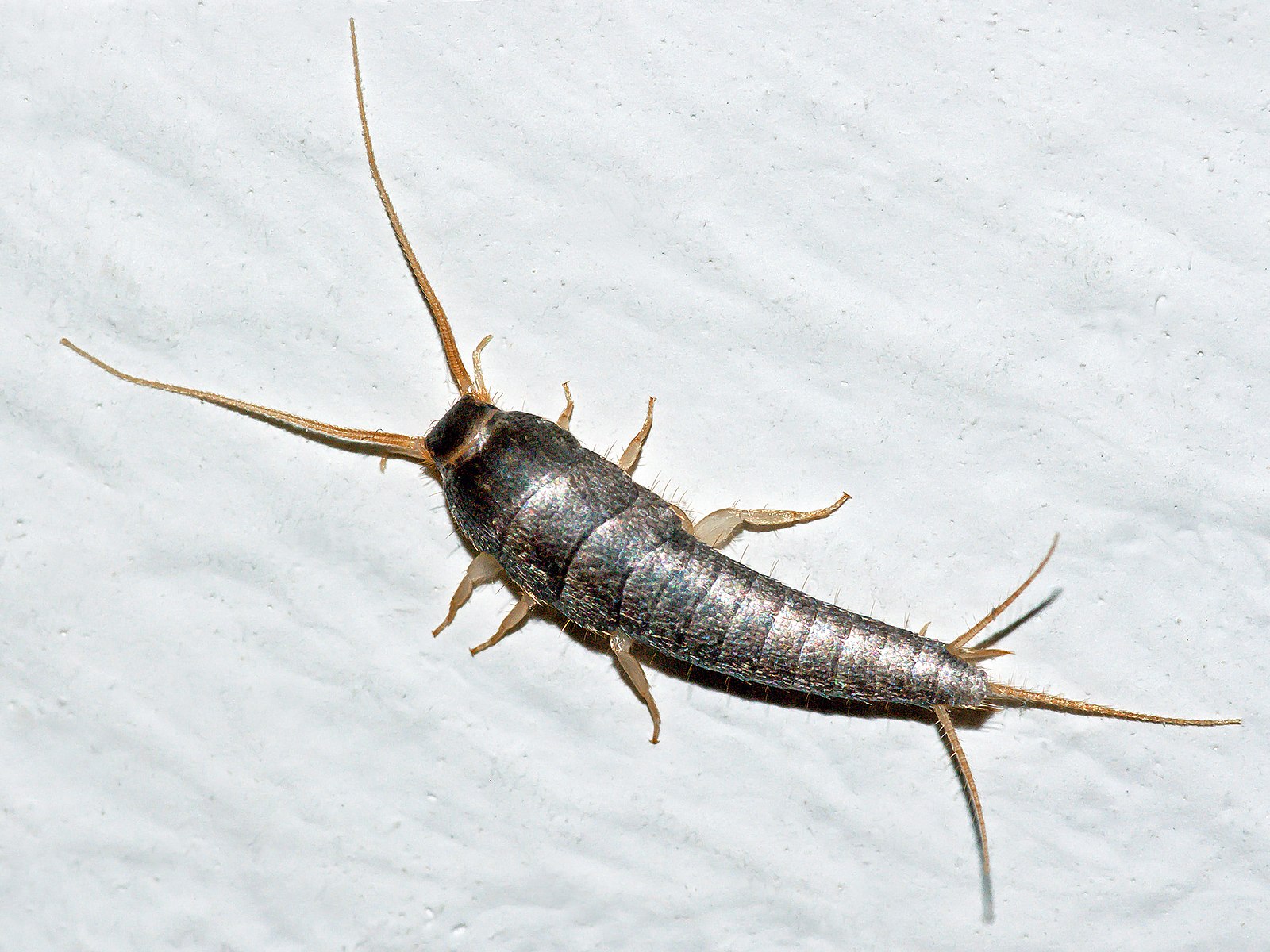
Silverfish: Uniformly shiny silver/gray. Found in COOL, DAMP places (sinks, basements).
Photo: Christian Fischer via Wikimedia Commons, CC BY-SA 3.0
Why Are They Near My Heater?
Firebrats have a unique biological requirement: High Heat. They thrive in temperatures between 90°F and 105°F. In a typical home, this limits them to specific areas:
- Boiler Rooms & Furnaces: The warmth from the equipment attracts them.
- Attics (in Summer): California attics get incredibly hot, creating a perfect breeding ground.
- Around Ovens/Stoves: Commercial bakeries often struggle with Firebrats.
- Hot Water Pipes: They often follow insulated hot water lines through walls.
Watch: Firebrats vs. Silverfish
Dr. Victor Fursov, an entomologist, explains the differences between these two common household pests.
Video: Dr. Victor Fursov (Entomologist)
How to Get Rid of Firebrats (7 Steps)
Unlike Silverfish, where you reduce humidity, Firebrat control focuses on reducing heat and sealing gaps.
- Reduce Heat: Improve ventilation in attics and boiler rooms to lower the temperature below 90°F.
- Seal Pipes: Use caulk or foam to seal gaps around hot water pipes where they enter walls.
- Remove Food: Store flour, cereal, and pet food in airtight plastic containers (glass or heavy plastic).
- Clean Up: Vacuum regularly to remove food crumbs and the insects themselves.
- Insulate: Add insulation to hot pipes to reduce the radiant heat that attracts them.
- Declutter: Remove stacks of paper or cardboard from hot areas like attics.
- Professional Treatment: Firebrats often live deep in wall voids where it is warm. Professional dusts or baits may be needed to reach them.
Clark's Expert Insight
"If you are seeing 'silverfish' near your furnace or fireplace, they are almost certainly Firebrats. Standard silverfish treatments might fail because you aren't addressing the heat source. Lowering the temperature in that room is often the most effective first step."
Frequently Asked Questions (FAQs)
Do firebrats bite humans?
▶
No. Like Silverfish, Firebrats do not bite or sting humans or pets. They are purely nuisance pests that damage property.
What do firebrats eat?
▶
They feed on carbohydrates and proteins. This includes flour, cereal, book bindings (glue), wallpaper paste, and even some synthetic fabrics like rayon.
How long do firebrats live?
▶
They are long-lived pests. Under ideal warm conditions, they can live for 2-3 years, producing hundreds of offspring in that time.
Serving California and Northern Nevada
Our entomology team understands the unique pest pressures of our local region. From the humid valleys to the dry high deserts, we know where these pests hide.
Protect Your Home from Damage
Don't let these heat-seeking pests eat your valuables. Clark Pest Control can identify the source and eliminate them.
Get a Free Inspection