



Pest Glossary
What Bug Is This?
By the Clark Pest Entomology Team
Last updated: October 28, 2026
Quick answer: Start with what the pest does. If it crawls, open Crawling Pests. If it jumps or flies, open Flying and Jumping Pests. Gnawing animals belong in Rodents, and bugs on plants belong in Lawn and Garden Pests. Wood damage can come from termites or carpenter ants, so check Crawling Pests first.
On this page
Pick the Guide That Fits What You Saw
Clark sorts the pests found in homes and yards across California and Northwestern Nevada into four groups. Tap the one that sounds closest. Each guide then helps you name the exact pest.

Ants, termites, cockroaches, beetles, silverfish, earwigs, pillbugs, spiders, ticks and true bugs. Open this one for anything that walks across a floor, wall or windowsill.

Fleas, springtails, crickets, flies, gnats, mosquitoes, moths, bees, wasps and birds. Open this one when the bug hops, buzzes or flutters.
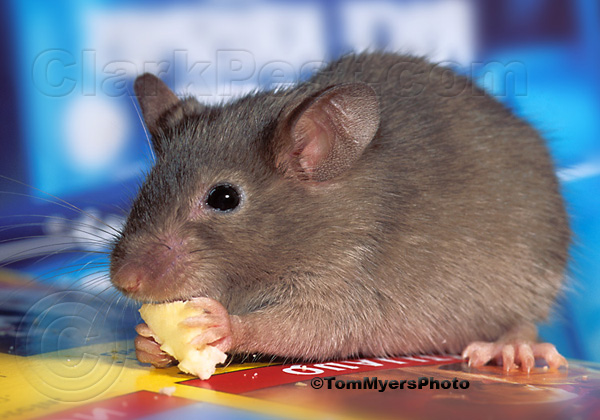
Mice and rats. Open this one for droppings, gnaw marks, scratching in the walls or a sighting of a small furry animal.
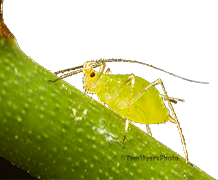
Aphids, whiteflies and scale insects. Open this one when leaves curl, turn sticky or carry tiny insects on the underside.
Which Clue Points to Which Guide?
One clue is rarely enough, but it narrows the search. The clues below come from Mississippi State University Extension, UC IPM on carpenter ants, UC IPM on house mice and UC IPM on aphids.
| What you noticed | Where to look | What the university source says |
|---|---|---|
| Winged insects at a window | Crawling Pests | Termites have straight antennae, no narrow waist and wings of equal length. Ants have elbowed antennae and a narrow waist |
| Sawdust-like debris near wood | Crawling Pests | Carpenter ant debris is fibrous. Drywood termite pellets have six sides |
| Tiny speck that jumps near a pet | Flying and Jumping Pests | Adult fleas are no larger than 1/8 inch and jump onto socks |
| Droppings or shredded nesting material | Rodents | Mice build nests of finely shredded paper or other fibrous material |
| Sticky leaves and soft pear-shaped bugs | Lawn and Garden Pests | Aphids can be green, yellow, brown, red or black and leave sticky honeydew |
Which Kind of Pest Do You Have?
Do not worry about the exact name yet. Ask what the pest does. Your answer points to one guide.
It crawls
Roaches, ants, beetles, silverfish and spiders all travel on foot. UC IPM on cockroaches says cockroaches hide in warm, dark, moist places and that even tiny crumbs or liquids can attract them. Where you found the bug matters as much as what it looks like. Kitchen, bath, window and mulch bed each suggest a different pest.
It jumps or flies
A wingless speck that pops away from your hand is a different problem than a fly circling a plant. Fleas, springtails and crickets jump. Flies, gnats, mosquitoes, moths, bees and wasps fly. If you also have bites or stings, mention that when you call.
It eats wood
Two culprits come up here, and they work differently. UC IPM on drywood termites says drywood termites live deep inside wood. Carpenter ants do not consume wood. They tunnel through it to build nests. Our termite guide and ant guide show how to tell them apart. If you see swarmers or piles of debris, call a licensed technician before you try to treat it yourself.
It lives on your plants or lawn
UC IPM says aphids can feed in dense groups on leaves and stems, and many prefer the underside of a leaf. Check there. Sticky leaves and black sooty patches are clues that the lawn and garden guide will explain.
It is a rodent
UC IPM on rats lists droppings near pet dishes or food containers, noises in the attic or drop ceilings and signs of rodents feeding on fruit or nuts in the yard as signs of rats. Mice are smaller. They can squeeze through openings as small as 1/4 inch. Open the rodent guide to separate house mice, Norway rats and roof rats.
Can't Match It to a Group?
Some pests fit two groups. A winged ant crawls and flies. A tick is a crawler that rides in on a pet. When two guides seem right, start with where you found it, then open the other one to compare. Clark's technicians can also sort it out from a clear photo or a sample in a sealed jar.
Clark's Expert Insight
Take the photo before you spray. A clear picture of the pest, plus a note on where and when you saw it, tells a technician more than a guess does. Spraying can destroy the evidence, and according to UC IPM, ant sprays kill only the foraging ants. The right fix depends on the species.
Pest Identification Questions Homeowners Ask
How can I tell a flying ant from a termite?
Check the antennae, waist and wings. According to Mississippi State University Extension, termite antennae are straight and beadlike, while ant antennae have a distinct elbow. Termites have no narrow waist, and their front and hind wings are equal in length. Ant front wings are longer than the hind wings. Both shed their wings shortly after swarming, so loose wings alone do not settle it.
Do carpenter ants eat wood?
No. Carpenter ants do not consume wood like termites. They tunnel through it to build nests. Their debris is fibrous and looks like sawdust, while drywood termites leave six-sided pellets.
How do I know if I have drywood termites?
UC IPM says the most common sighting is flying adults called swarmers. Other signs are shed wings, tiny kick-out holes under 2 mm across and six-sided fecal pellets. Building vibration can also shake pellets loose, so UC IPM suggests cleaning them up and checking again a few days later. A licensed inspector can confirm it.
How can I tell a mouse from a rat?
Size is the first clue, but a young rat can be confused with a mouse. An adult house mouse runs 5 to 7 inches from nose to tail tip. Rat gnawing leaves larger tooth marks of about 1/6 inch. Roof rats have a tail longer than the head and body combined.
Why do ants keep coming back after I spray?
According to UC IPM, insecticide sprays kill only the foraging ants, and more ants will emerge from the nest. Control with baits may take more than one week. A bait only works if the ants actually eat it, so naming the ant comes first.
How can I check for fleas without seeing one?
UC IPM suggests a simple test. Pull on tall white socks and walk through the places your pet rests. Fleas will jump onto the socks, where they are easy to spot. Adult fleas are no larger than 1/8 inch long.
Still Not Sure What You Have?
Take a clear photo or save one in a sealed jar. A licensed Clark technician can name the pest, find where it comes from and recommend a plan that fits it. Clark serves homes and businesses in California and Northwestern Nevada.
Call 1-800-882-0374 or request service online. Find your local Clark Pest Control branch here.
What’s bugging you? Want to find out? Our pest glossary contains helpful images and facts about the pests we most commonly treat in your neighborhood.