


Key Takeaways
- They don't freeze. Mild Silicon Valley winters allow cockroaches to stay active and breed year-round.
- Rain drives them inside. Heavy rainfall floods outdoor sewers and landscapes, pushing pests into drier homes.
- Health risks are real. Winter infestations spike allergy triggers and spread bacteria like E. coli and Salmonella.
Quick Answer: In Silicon Valley, cockroaches don’t slow down in winter; they move closer to people. Mild temperatures and seasonal rain drive them deep into kitchens, bathrooms, and shared structures where warmth and moisture are readily available. Unlike colder regions, our climate allows populations to survive outdoors and continue breeding indoors.
Visual ID Guide: The Winter Invaders
While many species exist, two primary types pressure Silicon Valley homes during wet winters.
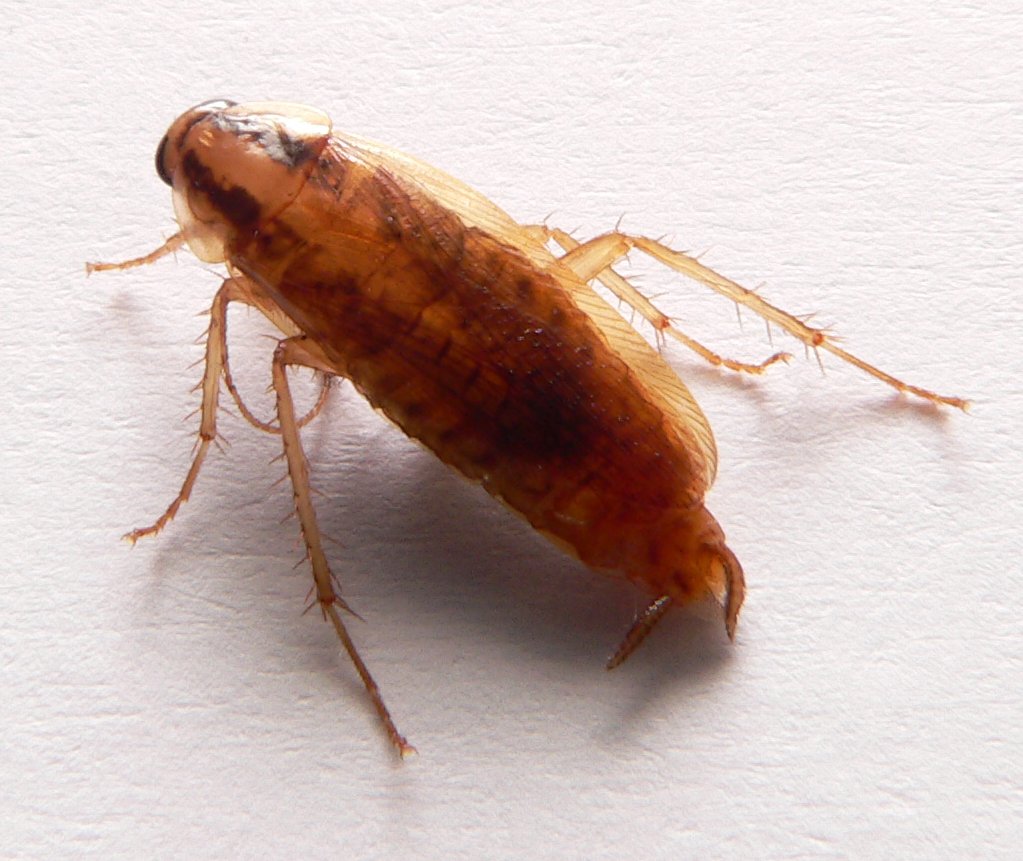
Photo: David Monniaux / CC BY-SA 3.0
1. German Cockroach
Target: Kitchens, bathrooms, appliances.
Risk: HIGH. They hitchhike indoors and breed rapidly in warm, humid voids like motor housings and under sinks.
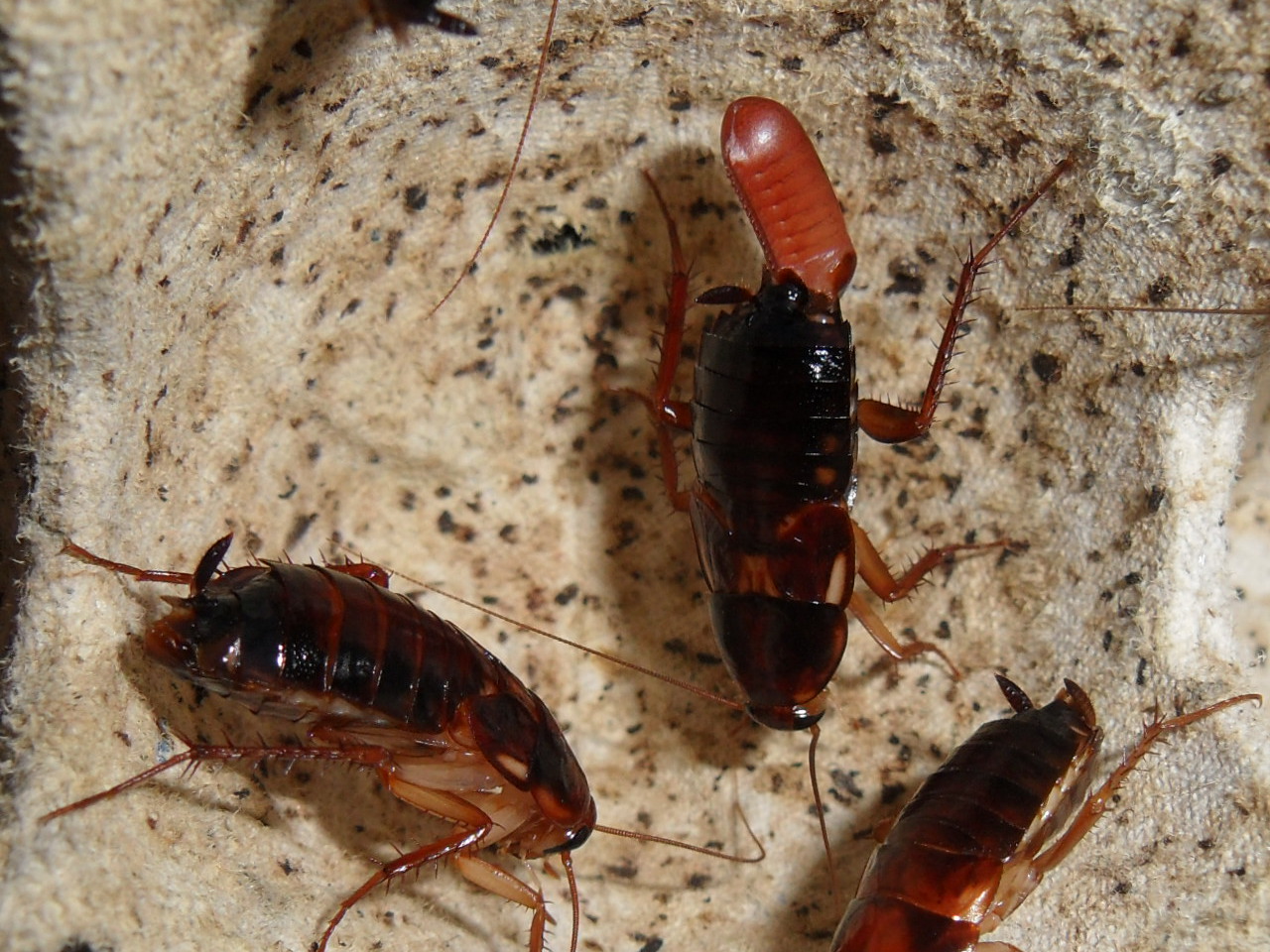
Photo: Etopura / CC BY-SA 3.0
2. Turkestan Cockroach
Target: Garages, sewers, irrigation boxes.
Risk: MODERATE. Pushed inside by heavy rain. They travel through drains and gaps under doors seeking dry ground.
What is "Overwintering" and Why Does It Matter?
Overwintering is how pests survive unfavorable weather. In Silicon Valley, cockroaches don’t truly shut down for winter—they simply relocate. Because winter activity often happens out of sight, infestations can grow quietly. By the time homeowners notice cockroaches in spring, populations may already be well established.
Cockroaches commonly overwinter in:
- Wall voids and cabinets
- Kitchens and bathrooms (especially under sinks)
- Laundry rooms and utility areas
- Crawl spaces and garages near plumbing lines
Clark's Expert Insight
"In Silicon Valley homes, we often see cockroach activity increase in winter because moisture and warmth are easier to find indoors. Kitchens and bathrooms are the first places to check."
Why Cockroaches are a Serious Health Concern
Cockroaches are more than an unpleasant nuisance—they can pose real health risks inside the home. According to the National Institute of Environmental Health Sciences, cockroach allergens are a significant trigger for asthma and allergies, particularly in children. One in five children in the U.S. has severe sensitivity to cockroach allergens.
In addition, the National Pest Management Association reports that cockroaches can carry dozens of harmful bacteria, including E. coli and Salmonella. As they crawl through drains and garbage, they collect germs on their legs and bodies, spreading them to countertops and dishes.
How to Reduce Winter Cockroach Problems
A preventive approach is the best defense against cockroaches, especially during mild winters. Clark Pest Control encourages homeowners to pay close attention to kitchens and bathrooms.
- Clean crumbs and food debris from kitchens and bathrooms immediately.
- Wipe down counters and food surfaces after every meal prep.
- Avoid overnight dish buildup in sinks; moisture attracts them.
- Store pantry foods and pet food in airtight, hard plastic containers.
- Repair plumbing leaks to reduce excess moisture availability.
- Use dehumidifiers in damp crawl spaces or storage areas.
Watch: How to Prevent Cockroach Infestations
Video: Official prevention tips from the National Pest Management Association.
Frequently Asked Questions (FAQs)
Serving Silicon Valley and the South Bay
From Milpitas to San Jose, our licensed technicians know exactly where cockroaches hide in urban environments and tech hubs.
Don't Let Roaches Move In This Winter
Cockroach infestations in the Bay Area can escalate quickly during wet winters. If you spot German or Turkestan cockroaches, Clark Pest Control has the local expertise to stop them.
Call 1-800-882-0374