Clark Pest Entomology Team | Last Updated: December 1, 2025
Key Takeaways
The main difference between these two pests is where they live. German cockroaches are indoor pests that thrive in kitchens and bathrooms, while Turkestan cockroaches are outdoor insects that live in gardens and mulch but occasionally wander inside. While both can spread disease, German roaches reproduce much faster and cause more severe indoor infestations.
We’ve all been there—you flick on the kitchen light late at night and see something skitter across the floor. Your immediate reaction is probably "Get it out!" rather than "I wonder what species that is?"
But here’s the thing: knowing exactly which roach you’re dealing with is the difference between solving the problem tonight and fighting it for months. A German roach requires a totally different battle plan than a Turkestan one.
How Do They Look Different?
It can be tough to tell these two apart at a glance, especially when they are moving fast. But our technicians look for a few specific clues:
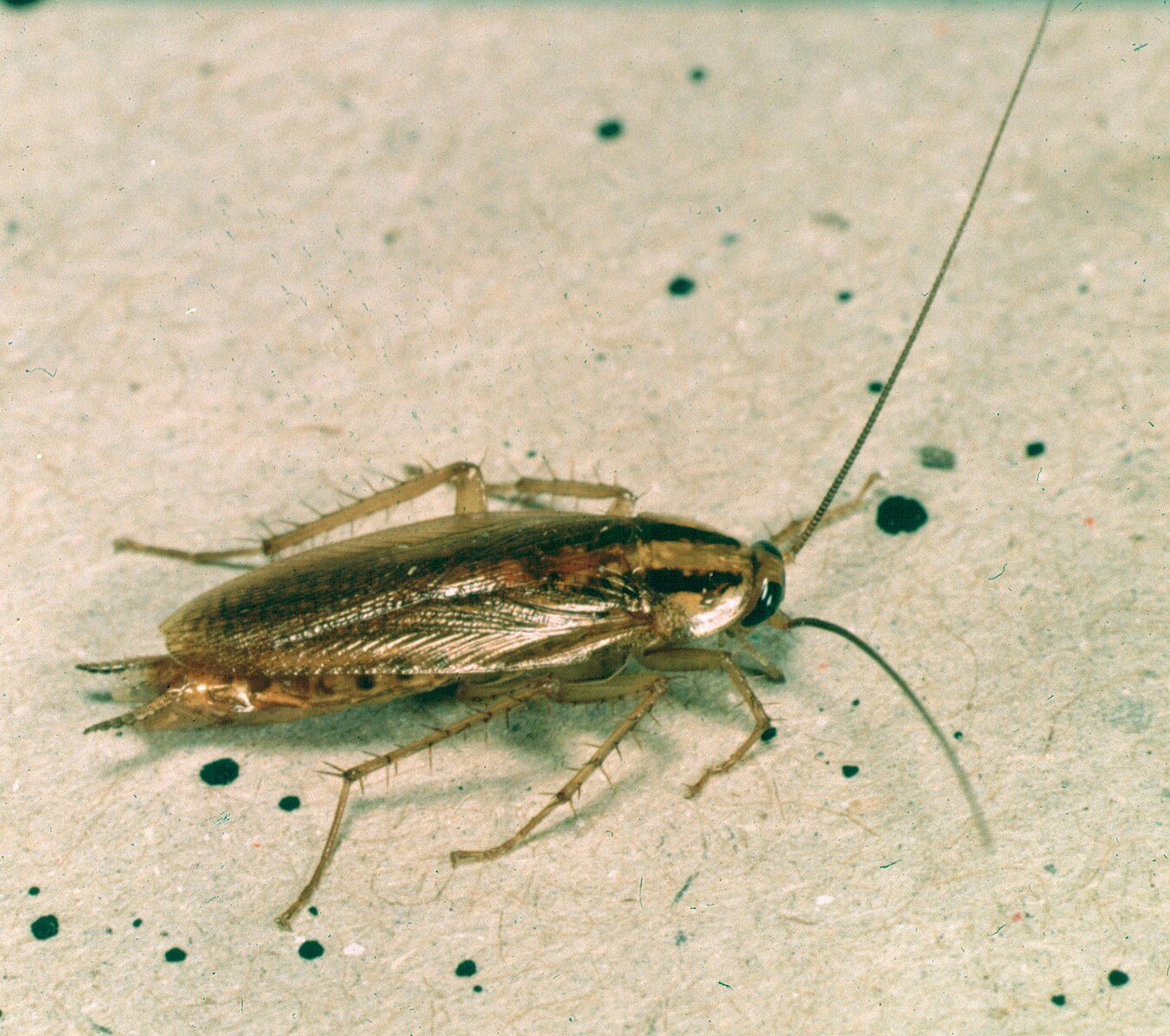
German Cockroach: Note the two dark parallel lines behind the head.
Photo: Clemson University - USDA Extension, CC BY 3.0
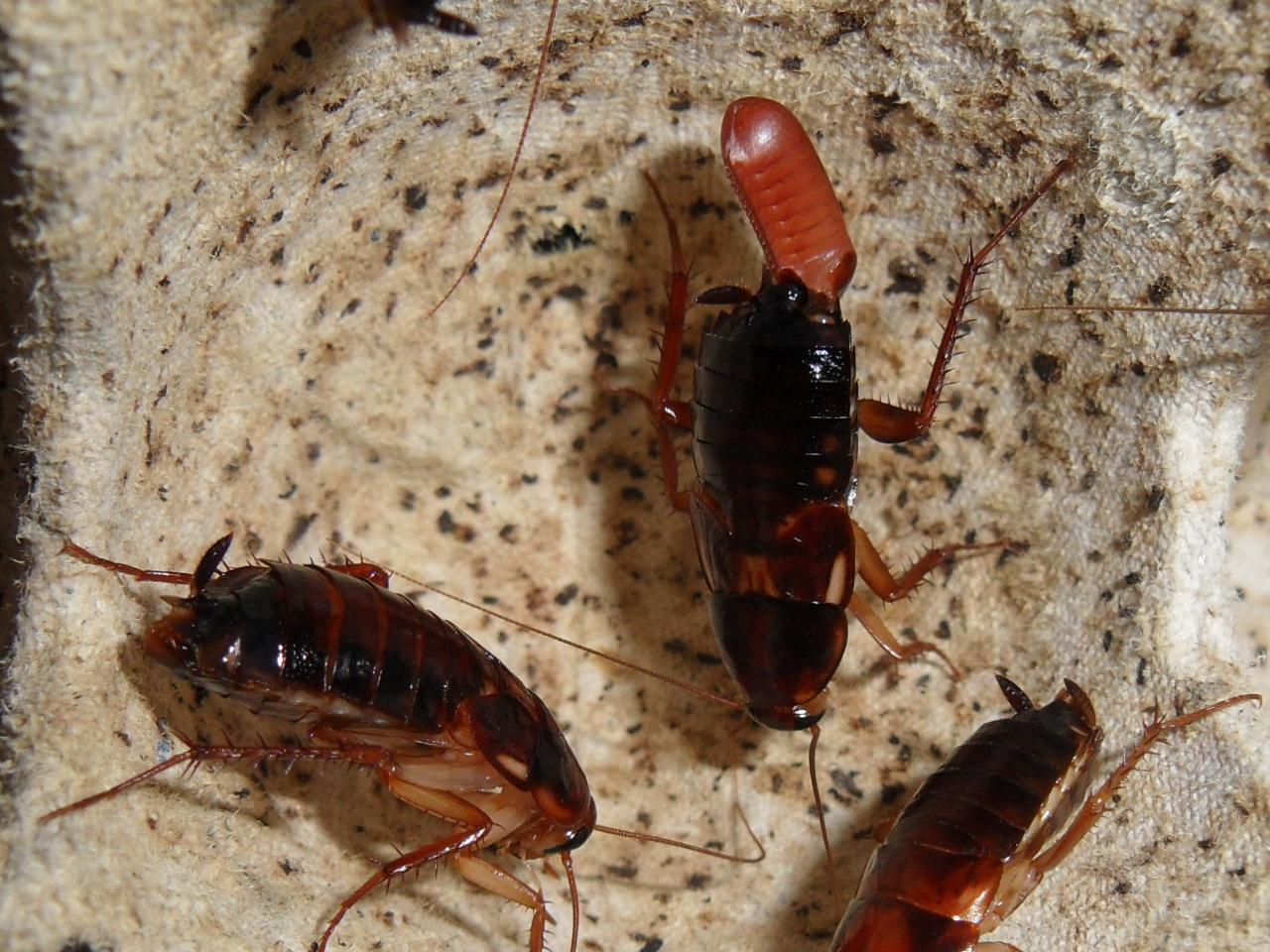
Turkestan Cockroach: Larger, darker (rusty red to black), with cream-colored markings.
Photo: Happy1892 via Wikimedia Commons, CC BY-SA 4.0
- German Cockroaches: Think "small and stripey." They are typically 1/2 to 5/8 inch long (about the size of a penny). They are light brown or tan, and if you look closely behind their head, you'll see two distinct dark stripes running lengthwise.
- Turkestan Cockroaches: These guys are the heavyweights. They are significantly larger, reaching up to 1 inch in length. They are darker—usually a rusty red to black color—and have a shiny, polished look.
Where Do They Hide?
This is usually the biggest giveaway.
- German Roaches love your building. They crave warm, humid spots indoors. We almost always find them in commercial kitchens, bathrooms, and even inside the warm motors of coffee machines or dishwashers. If you see one, there are likely many more hiding nearby.
- Turkestan Roaches prefer the garden. They are outdoor pests that love mulch beds, leaf litter, and irrigation boxes. They often sneak into buildings through gaps under doors, especially during our hot California summers when they are searching for water.
Watch: Understanding the Enemy
To really understand what you are up against, check out this quick educational clip from the University of California IPM program. It breaks down exactly why these pests are so resilient.
Video: University of California IPM Program
Why Are They Dangerous?
It’s not just about the "ick" factor. Both species are serious sanitation threats, especially for food service businesses, schools, and healthcare facilities.
- Disease Spread: They pick up pathogens like Salmonella and E. coli from sewers and garbage and track them right onto food preparation surfaces.
- Allergies: This is often overlooked, but their droppings and shed skins are potent allergens. In our experience, heavy infestations can actually trigger asthma attacks in employees and customers.
7 Steps to Keep Roaches Out
Prevention is always cheaper and easier than a cure. Here is the checklist we recommend to our commercial clients:
- Seal the Perimeter: Install tight-fitting door sweeps on all exterior doors. This is the #1 defense against Turkestan roaches wandering in from the outside.
- Deep Clean Kitchens: Scrub under appliances and clear out drains. German roaches feed on grease and soap scum.
- Manage Your Trash: Keep dumpsters far from the building and ensure lids are always closed.
- Fix Leaks Immediately: Both species need water to survive. A dripping pipe is a magnet for them.
- Declutter Storage: Cardboard boxes are a favorite hiding spot (they love the glue). Switch to plastic bins where possible.
- Check Your Landscaping: Keep mulch and vegetation trimmed back at least 2 feet from your building's foundation.
- Train Your Team: Make sure your staff knows to report "pest sightings" immediately. Speed matters.
Related: Explore our Commercial Pest Control Services
Frequently Asked Questions (FAQs)
Do Turkestan cockroaches fly?
▶
Yes, the males can. Male Turkestan cockroaches have wings and can fly short distances, especially at night around lights. Females have tiny wing pads and cannot fly. German cockroaches rarely fly, even though they have wings.
Which cockroach is harder to get rid of?
▶
German cockroaches are generally much harder to eliminate. Because they live indoors and reproduce extremely fast, they can take over a building quickly. They are also resistant to many common bug sprays. Turkestan roaches are easier to control since they primarily live outside.
Can I treat this myself?
▶
DIY sprays often fail against German cockroaches because they don't reach the nests hidden deep in wall voids or equipment. Professional baits and growth regulators are usually required to stop the breeding cycle.
Serving California and Northern Nevada
Our entomology team understands the unique pest pressures of our local region. From the humid valleys to the dry high deserts, we know where these roaches hide.
Need Professional Help?
If you’ve tried these steps and still see activity, you may have a hidden nest. Clark Pest Control can identify the specific species and design a custom IPM plan to keep your business pest-free.
Get a Free Commercial Inspection